 Auction
 Managing IT Assets: An Enterprise Approach to E-waste Management
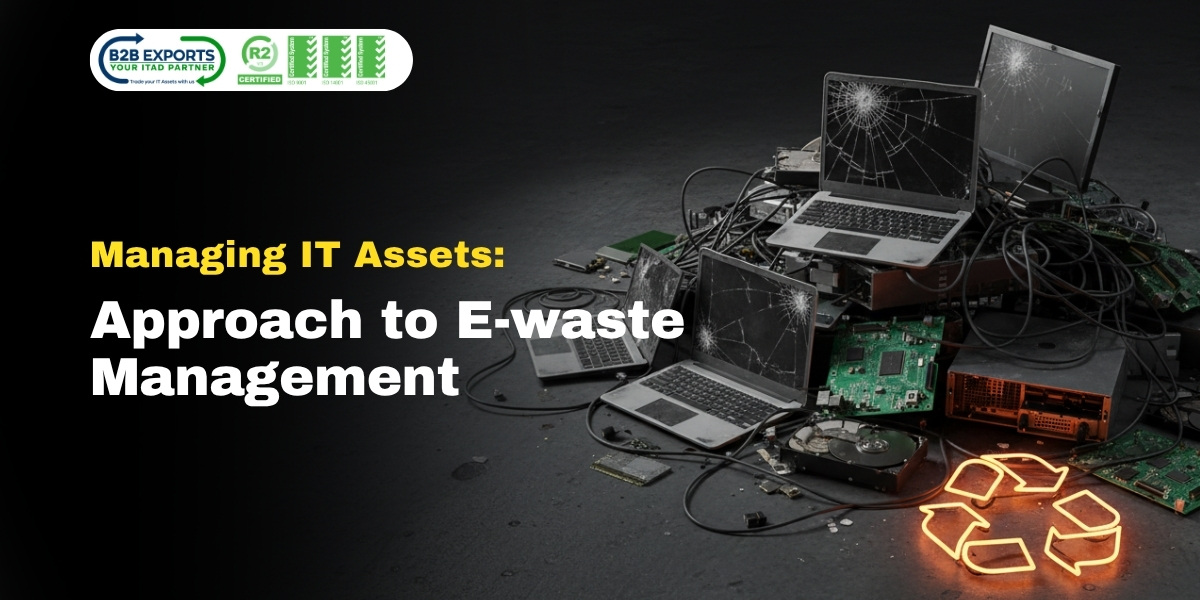
With every year passing by, enterprises from all over the world retire large volumes of IT assets, including thousands of laptops, servers and a lot more types of devices. Many times, what issue arises is that the assets which are being retired are only a few years old, implying that they may have usable life remaining. However, without preparing a thoughtful plan, they are often stored for indefinite timelines, discarded or even passed on to vendors without clear accountability.
The amount of e-waste generated globally exceeded 62 million metric tons in the year 2022, with enterprise IT equipment constituting a major part of this total, according to the United Nations. For CIOs, IT managers and compliance officers this is more than any ecological concern as it creates a genuine business risk.
The positive side is that responsible IT asset management provides a clear way forward. When organizations take a structured approach to tracking, retiring and disposing of their technology assets, they can cut down on electronic waste, get back value from old equipment and keep sensitive data protected while being compliant to regulations.
Why Effective IT Asset Management is the First Step
Before an enterprise can reduce e-waste, it first needs clear visibility into what it actually owns. While this may seem simple, in large organizations it is often a real challenge. Devices are purchased across teams, assigned to remote employees, upgraded at different times and eventually overlooked, ending up in storage rooms or written off without a structured process.
Effective IT asset management (ITAM) addresses this problem by providing organizations with a clear, real-time view of every device the organization owns, from when it is purchased until its final retirement. This offers visibility to the organizations to make smart decisions. They are able to identify underutilized devices and deploy them rather than replace them with new ones, plan upgrades more strategically instead of replacing systems prematurely and ensure old devices are properly tracked through the right pathways for disposal rather than being lost or tossed without due diligence.
The connection between good IT asset management and lower e-waste is straightforward and easy to see in practice. When organizations put proper ITAM systems in place, they often realize that many of their “retired” devices still have value, which makes them suitable for reusing internally, donating or selling. Even extending a device’s life by a year can reduce e-waste and cut costs, especially for data centers and cloud providers managing large volumes.
E-Waste Reduction Strategies Enterprises Can Implement Today
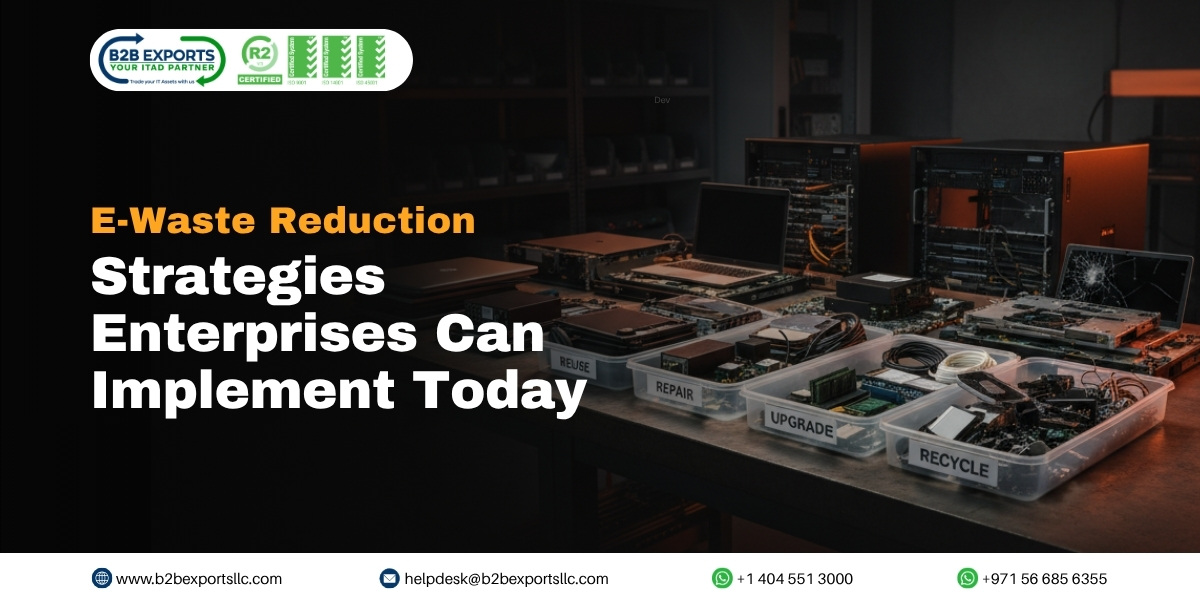
Reducing e-waste takes more than intent as it requires practical, repeatable actions built into everyday IT operations. There are many Secure E-Waste Strategies enterprises can implement.
Extend Device Lifespan
Many devices are replaced not because they stop working, but because they feel outdated or haven’t been maintained properly. Organizations that are investing in regular upkeep of these devices, such as through hardware checks, software updates and timely replacement of components as required, are able to use their devices for longer. Extending a laptop’s life from three years to four or five is one of the direct ways to reduce e-waste.
Redeploy Devices Within the Organization
Before retiring devices, it's always better to properly check if they can still be utilized somewhere within the organization, as a system that is not ideal for a demanding task might still be suitable for running basic tasks perfectly well. Therefore, establishing an organized redeployment process requires IT to thoroughly check existing equipment before more devices are ordered, thereby leading to reduction in both waste and costs.
Establish a Device Donation Program
If your devices have reached a point where they may no longer be fit for business, but still work functionally, donating them would be the responsible choice. As a result, schools, nonprofits and community organizations tend to get the equipment. Working with certified refurbishers who handle data wiping and testing makes it possible to ensure that all the donated devices are safe while also reducing waste and potentially gaining tax benefits.
Partner With Certified E-Waste Recyclers
Responsible recycling of devices that must be retired is extremely important because it is not possible to use every device again in the organization itself. Working with certified recyclers who comply with standards like R2v3, ISO helps in ensuring that materials will be properly handled and prevents hazardous electronics from going into landfills and avoids equipment dumping and illegal shipping.
Set and Track E-waste Metrics
Enterprises that take reducing e-waste seriously keep track of key data points, like how many devices are retired each year (along with the number that get reused or recycled) and the environmental impact created by their disposal. Hence, these insights aid in the enhancement of processes over time and also demonstrate this to stakeholders and ESG auditors.
Ensuring Security Through Certified Data Destruction
One of the most important yet often overlooked parts of responsible IT asset management is data destruction. Once a device moves out of an organization’s hands, any data still stored on it quickly turns into a major security vulnerability. This applies not just to servers and laptops, but also to networking equipment, printers and any hardware that stores or processes information.
Certified data destruction means completely removing data from storage devices in a way that can suitably meet recognized security standards and can be verified as well. There are a few common measures used: software-based wiping, where data is overwritten multiple times to ensure that recovery is impossible; degaussing, where data is cleared using high-intensity magnetic fields and physical destruction, where drives are shredded or crushed so that data cannot be restored at all.
The approach used for data destruction is based on how critical and sensitive the data is and the specific compliance requirements the organization needs to meet. In most enterprise settings, software based wiping using standards like NIST 800-00 is enough for devices that will be refurbished or resold. However, physical destruction along with necessary documentation is usually required in high-security environments, such as financial systems, healthcare data or classified information.
What makes the process “certified” is the destruction certificate. This document records key details such as the device’s serial number, the method used, the person or vendor responsible. For CISOs and compliance teams, these certificates are essential. Without this documentation, organizations face serious legal and compliance risks. Therefore, certified IT data destruction should not be skipped as it is a must for any responsible IT asset disposal process.
Creating a Structured Approach to IT Asset Disposition
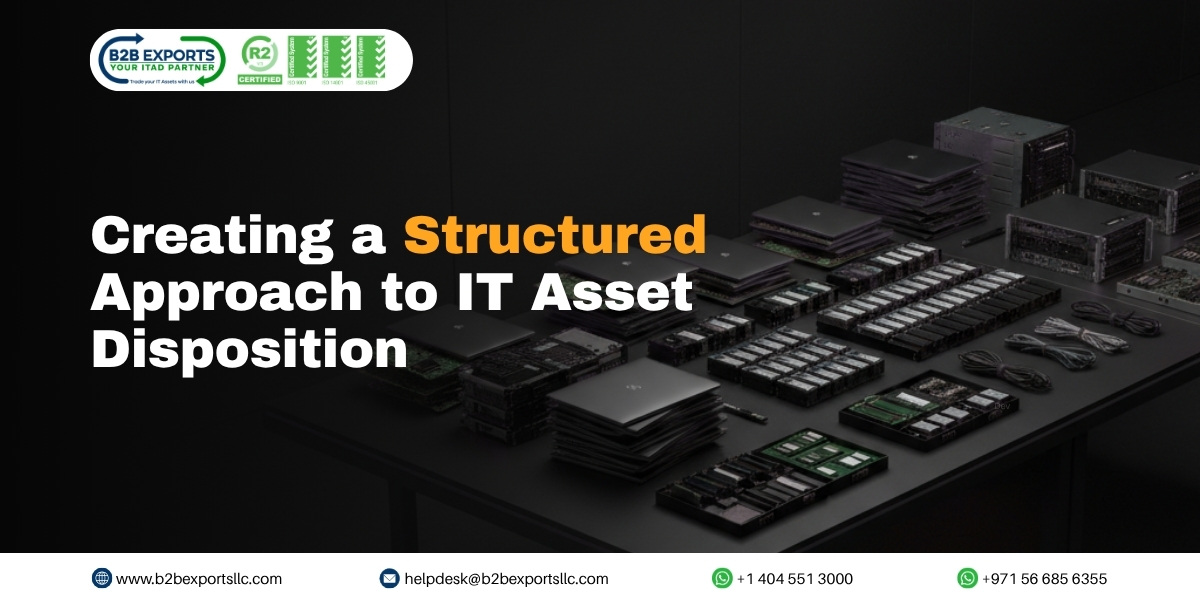
Once devices are ready to be retired, the next question is simple: what happens to them?
This is where IT asset disposition becomes a major part of any responsible enterprise strategy. ITAD is about managing retired IT assets in a way that keeps data safe, meets all the compliance requirements and minimizes environmental impact.
Structuring the ITAD Approach
A strong ITAD program does not treat asset retirement as a one-time action. Instead, it approaches it as a structured process that starts well before a device is handed over. It begins with an asset audit, creating a record of what is being retired and involves documentation about its state. From there, the organizations determine what happens next, either the device can be repaired and reused internally or if it has no further life, then it must be resold or responsibly recycled.
Importance of Accountability
What truly sets a robust ITAD program apart is responsibility at each stage. Organizations should partner with vendors that keep extensive chain-of-custody documents, so it is always known where each respective device went, who had it in custody and what was done to the unit. This kind of documentation is not just a good practice anymore; it is increasingly required under data protection and environmental regulations. For compliance teams in sectors like healthcare, finance and government, these records act as essential proof that everything was handled correctly.
Selecting a Certified Partner
Choosing a certified partner who has expertise in the ITAD industry is just as important. Certifications such as R2v3 and e-Stewards indicate that a vendor meets globally recognized standards for both environmental responsibility and data security. While uncertified vendors may seem more affordable initially, they can expose organizations to serious risks, including inadequate disposal or illegal export of e-waste, issues that have already affected major enterprises in the past.
Compliance and Regulations for Responsible IT Asset Management
Rules around e-waste and data protection are getting stricter with time. Organizations that still treat IT asset management as just an operational task, without linking it to legal and compliance responsibilities, are putting themselves at growing risk.
Data Protection Responsibilities
On the data protection side, stringent privacy laws across regions outline what organizations must do with data when devices are retired. Indeed, failure to sufficiently erase data from end-of-life devices has resulted in significant sanctions across businesses. Companies that have disposed of or donated devices without applying appropriate data sanitization have faced penalties from regulatory authorities and healthcare organizations, among others, have paid out multi-million dollar settlements for the same thing.
Environmental Regulations and Accountability
From an environmental point of view, responsibility for managing electronic waste is increasingly being shared by organizations, not just manufacturers. In many regions, businesses are now expected to dispose of IT equipment through approved and responsible channels. These expectations are also spreading worldwide, with more regions starting to adopt responsible and sustainable e-waste practices. Companies that do not have structured ITAD programs in place may face compliance challenges as these requirements continue evolving.
Financial Value in ITAD
Apart from following regulations, there is a strong business case that is tied to both financial and reputational value. Organizations that choose to remarket their retired IT assets through certified ITAD partners often restore significant value from equipment that might have otherwise been discarded. Hardware like servers, networking devices, as well as older laptops can still hold market value when they are properly documented and certified. This recovery can be helpful in bearing new procurement costs and making ITAD programs financially sustainable.
Reputation and ESG Impact
Reputation also plays an important role. From clients and investors to regulators, all are increasingly prioritizing ESG (environmental, social and governance) practices. Responsible IT asset management is a clear as well as measurable part of this. Organizations that follow systematic ITAD processes, ensure certified data destruction and partner with reliable e-waste recycling partners tend to stand out during client evaluations, procurement decisions and sustainability reporting. For technology companies, cloud providers and data center operators, this is gradually becoming a real competitive advantage.
Conclusion: Responsible Management Starts With Intention
The rate at which e-waste production is increasing all over the globe is extremely overwhelming and harmful. But, for enterprises, the solution does not mean to make massive investments or drastic changes. Rather, it begins with intent, i.e., deliberate choice to consider IT asset management as a complete lifecycle responsibility instead of limiting the activity just to procurement and maintenance functions.
With well-structured ITAD programs designed to suit their needs, an emphasis on guaranteed data wiping and working with certified recycling partners oversight can help organizations make a genuine and measurable impact in the reduction of electronic waste. At the same time, they can protect sensitive data, meet regulatory requirements, derive value from equipment that is decommissioned and demonstrate true environmental accountability to stakeholders who increasingly demand it.
The tools, technologies and capable partners to achieve this already exist. What matters is the willingness for building the right processes around them. For CIOs, CISOs and compliance leaders managing the demands of digital transformation along with sustainability expectations, this extent of commitment and the discipline it brings to IT asset management is unavoidable. As a result, it has nowadays become a central business necessity.